Berberine for Weight Loss: What the Research Shows
Berberine is a yellow plant alkaloid sold for weight loss. Here is what trials measured, how it is used, and who should avoid it.
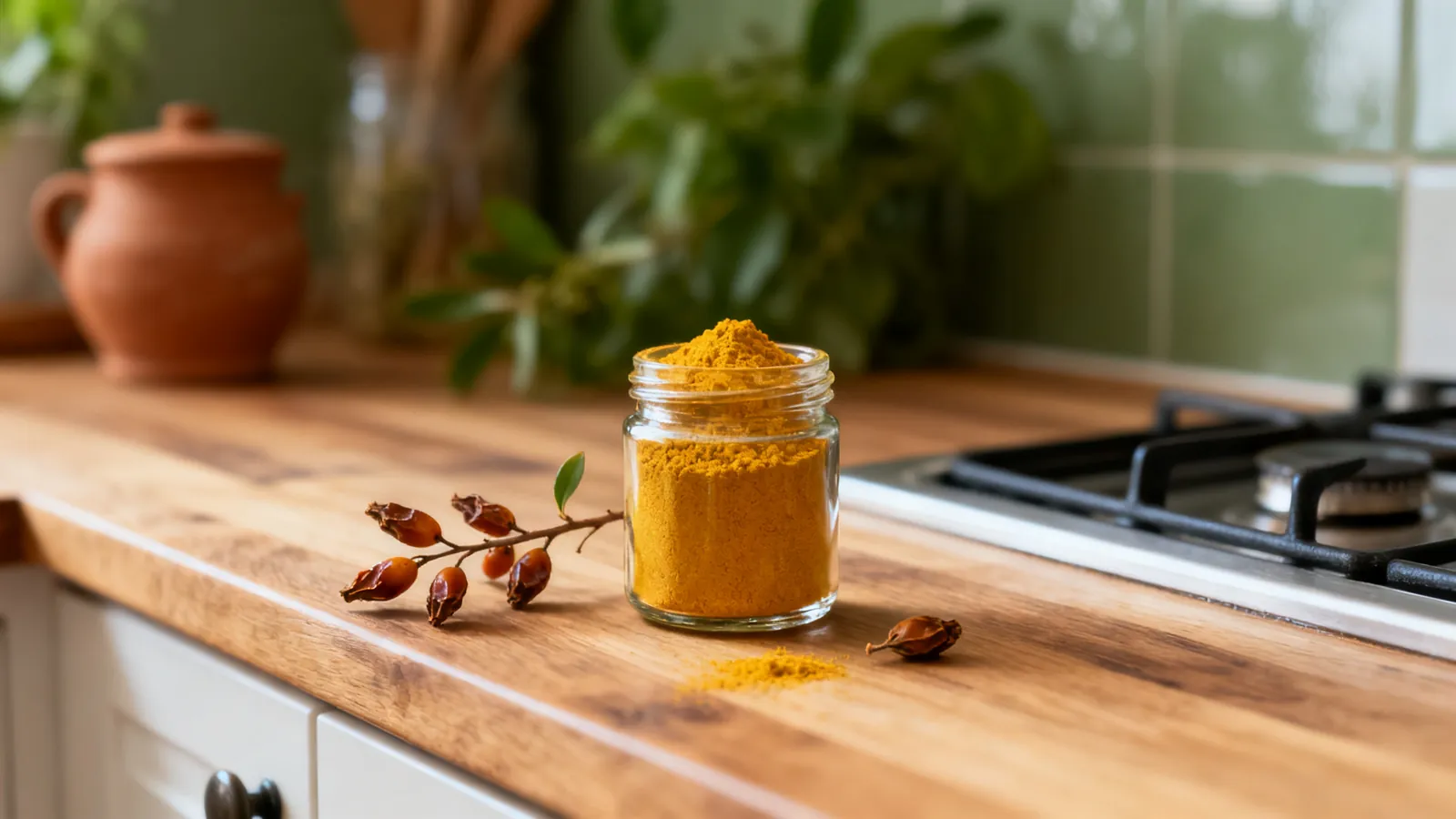
Berberine is a bitter yellow alkaloid found in the bark, roots and rhizomes of several plants, including barberry, goldenseal, Oregon grape and Chinese goldthread. It has a long history in traditional Chinese and Ayurvedic medicine, where bitter plant preparations were used for digestive complaints and infections. In modern supplements it is usually sold as berberine hydrochloride or berberine sulfate, standardised to a fixed percentage of the alkaloid.
The reason it appears in weight-loss searches is a cluster of small clinical trials in people with metabolic syndrome, type 2 diabetes or polycystic ovary syndrome. Several of those trials reported modest reductions in body weight alongside improvements in fasting glucose and lipids. That is a real signal, but it is not the same as a proven weight-loss drug. The studies were small, often short, frequently from a limited number of research groups, and rarely designed with weight as the primary outcome. Reviews of the evidence consistently call for larger, longer, better-controlled trials.
What the research actually measured
Most berberine trials were not weight-loss trials. They were metabolic trials in which weight was one of several secondary measurements. Participants typically took 500 mg two or three times a day, often for eight to twelve weeks, alongside diet and exercise advice or standard care.
In those settings, average weight change was small. Some trials reported a few kilograms of loss over a few months; others found no significant difference from the comparison group. When reviews pool the data, the overall picture is a modest effect at best, with wide variation between studies. The evidence is stronger for fasting glucose and lipid markers than for weight itself.
Why the comparison to injectable GLP-1 drugs is misleading
Berberine is sometimes marketed as a natural alternative to prescription GLP-1 receptor agonists. That comparison does not hold up. GLP-1 drugs are synthetic peptides designed to act on specific receptors, tested in large multi-year trials with weight as a primary endpoint, and prescribed under medical supervision. Berberine is an oral plant alkaloid with poor absorption, multiple non-specific effects, and no large weight-loss trial programme behind it. Some laboratory work has looked at whether berberine influences GLP-1 secretion or related pathways, but this is early mechanistic research, not evidence that it produces comparable clinical effects. The phrase is marketing, not pharmacology.
What the trials cannot tell you
There is no reliable way to predict how much weight, if any, a given person might lose. Response varies with baseline health, diet, activity, medication and genetics. Most trials lasted weeks to a few months, so long-term effects on weight and safety are largely unknown. Many were conducted in China in specific patient groups, which limits how well the findings generalise. And because weight was usually a secondary outcome, the studies were not powered to detect small differences.
How berberine is used, and at what amounts
Berberine is taken orally. It is poorly absorbed from the gut, which is why doses in research are relatively high and why some products combine it with absorption enhancers. The forms most commonly studied are berberine hydrochloride and berberine sulfate.
Amounts commonly used in research and on standard labels are 500 mg taken two or three times a day, usually with meals, for a total of roughly 1,000 to 1,500 mg daily. Some trials have used up to 1,500 mg daily in divided doses. Do not exceed the amount on the label. A typical trial period was eight to twelve weeks, after which effects were reassessed.
Taking it with food reduces the chance of stomach upset. Some people split the dose across two or three meals rather than taking it all at once. If you are considering it, discuss the dose with a pharmacist or doctor first, particularly if you take any prescription medication.
Side effects, interactions and who should avoid it
Gastrointestinal effects are the most common: cramping, diarrhoea, constipation, bloating and nausea. These often lessen over the first week or two but can be persistent. Berberine can also lower blood glucose, which matters for anyone using insulin or sulfonylureas.
Berberine interacts with several drug-metabolising enzymes, particularly CYP3A4 and CYP2D6, and with P-glycoprotein. That means it can raise or lower blood levels of many medicines. Named interactions include:
- Cyclosporine – berberine can increase blood levels, raising the risk of toxicity.
- Metformin – additive glucose-lowering effects; blood sugar should be monitored.
- Insulin and sulfonylureas (such as glipizide, glyburide, glimepiride) – increased risk of hypoglycaemia.
- Statins, particularly simvastatin and lovastatin – increased risk of muscle-related side effects.
- Blood pressure medications – additive lowering of blood pressure.
- Anticoagulants and antiplatelet drugs – possible increased bleeding risk.
- Certain antidepressants, antipsychotics and antiarrhythmics metabolised by CYP2D6 or CYP3A4.
Berberine should not be used during pregnancy. It can cross the placenta, and traditional use as a uterine stimulant plus animal data raise concerns. It is not recommended during breastfeeding because it can pass into milk and may cause jaundice or other effects in a newborn. It should be avoided by infants and young children.
People with low blood pressure, liver disease or significant kidney disease should avoid it unless a doctor specifically advises otherwise. Because berberine can affect blood sugar and blood pressure, anyone taking prescription medication for diabetes or hypertension should not stop or change that medication without speaking to the prescriber.
Common mistakes and what berberine cannot do
A frequent mistake is treating berberine as a substitute for medical treatment or as a shortcut that works without changes to diet and activity. In the trials where weight changed, participants were also following dietary advice or a structured programme. Berberine was an add-on, not the whole intervention.
Another mistake is buying a product because it is labelled “best” or “extra strength” without checking the actual berberine content and the form. Labels vary widely. Some products contain little berberine or include other ingredients with their own effects. Look for the specific compound and amount per serving, and a third-party purity mark if available.
Berberine is also not a detox, a metabolism booster or a cure for any condition. It does not melt fat, and it does not replace the need for a balanced diet, movement, sleep and medical care. Anyone hoping for injectable-drug-level weight loss will be disappointed.
Comparing common forms and approaches
| Option | What it is | Typical amount studied | Who it does not suit |
|---|---|---|---|
| Berberine hydrochloride | Most common supplement form; standardised extract | 500 mg two to three times daily with meals | Pregnant or breastfeeding women; children; anyone on cyclosporine, insulin, sulfonylureas or statins without medical advice |
| Berberine sulfate | Alternative salt form; similar pharmacology | Same range as hydrochloride in trials | Same groups as above |
| Berberine with absorption enhancers | Berberine combined with compounds intended to improve uptake | Varies; often lower berberine content per dose | People wanting a simple, well-studied dose; those sensitive to added ingredients |
| Diet and activity changes alone | Structured changes to food and movement | Not a supplement; the foundation of every trial | No one; this is the baseline |
| Prescription weight-loss medication | Regulated drugs with large trial programmes | Prescribed and monitored by a clinician | Anyone who has not been assessed by a prescriber |
What actually moves weight
The interventions with the strongest evidence for weight loss remain sustained changes to eating patterns, regular physical activity, adequate sleep, and where appropriate, prescription medication or structured programmes under medical supervision. Berberine may produce a small additional effect in some people with metabolic risk factors, but it is not a primary weight-loss strategy and it carries real interaction risks. If you decide to try it, treat it as a short, monitored experiment alongside the basics, not as a replacement for them.
Before starting berberine, speak to a doctor or pharmacist. This is especially important if you take any prescription medication, are pregnant or breastfeeding, or have a medical condition affecting blood sugar, blood pressure, liver or kidneys.
Common questions
Does berberine actually help with weight loss?
Some small trials in people with metabolic conditions have reported modest weight loss, but the evidence is limited and mixed. Most studies were short and not designed primarily to measure weight. It is not a proven weight-loss treatment.
How much berberine should I take for weight loss?
Research has commonly used 500 mg two or three times a day, with meals, for a total of about 1,000 to 1,500 mg daily. Do not exceed the label. Talk to a doctor or pharmacist before starting, especially if you take any medication.
Is berberine a natural alternative to GLP-1 drugs?
No. GLP-1 drugs are prescription peptides tested in large trials with weight as a primary endpoint. Berberine is an oral plant alkaloid with poor absorption and no comparable trial programme. The comparison is marketing, not evidence.
What are the side effects and interactions of berberine?
Common side effects include stomach cramps, diarrhoea, constipation and nausea. Berberine interacts with cyclosporine, metformin, insulin, sulfonylureas, statins, blood pressure drugs and some antidepressants. It can raise or lower drug levels, so medical advice is essential.
Who should not take berberine?
Avoid it if you are pregnant or breastfeeding, or if you are an infant or young child. People with low blood pressure, liver disease or kidney disease should also avoid it unless a doctor advises otherwise. Anyone on prescription medication should check first.
Read next

Berberine: What It Is, Benefits and How to Take It
Berberine is a yellow plant compound studied for blood sugar and cholesterol. Learn what the research shows, common doses, interactions and who should avoid it.

Berberine Side Effects, Interactions and Safety
Berberine is a yellow plant compound studied for blood sugar. Learn its common stomach side effects, drug interactions, and who should avoid it.
Gymnema Sylvestre: The Sugar-Blocking Herb
Gymnema sylvestre is an Ayurvedic herb studied for blood sugar. Learn what research shows, how to use tea or extract, side effects, and who should avoid it.