Low Blood Sugar: What It Is and What to Eat
Low blood sugar explained: general thresholds, symptoms, the 15-15 rule, foods that raise glucose, who is most at risk, and when it is an emergency.
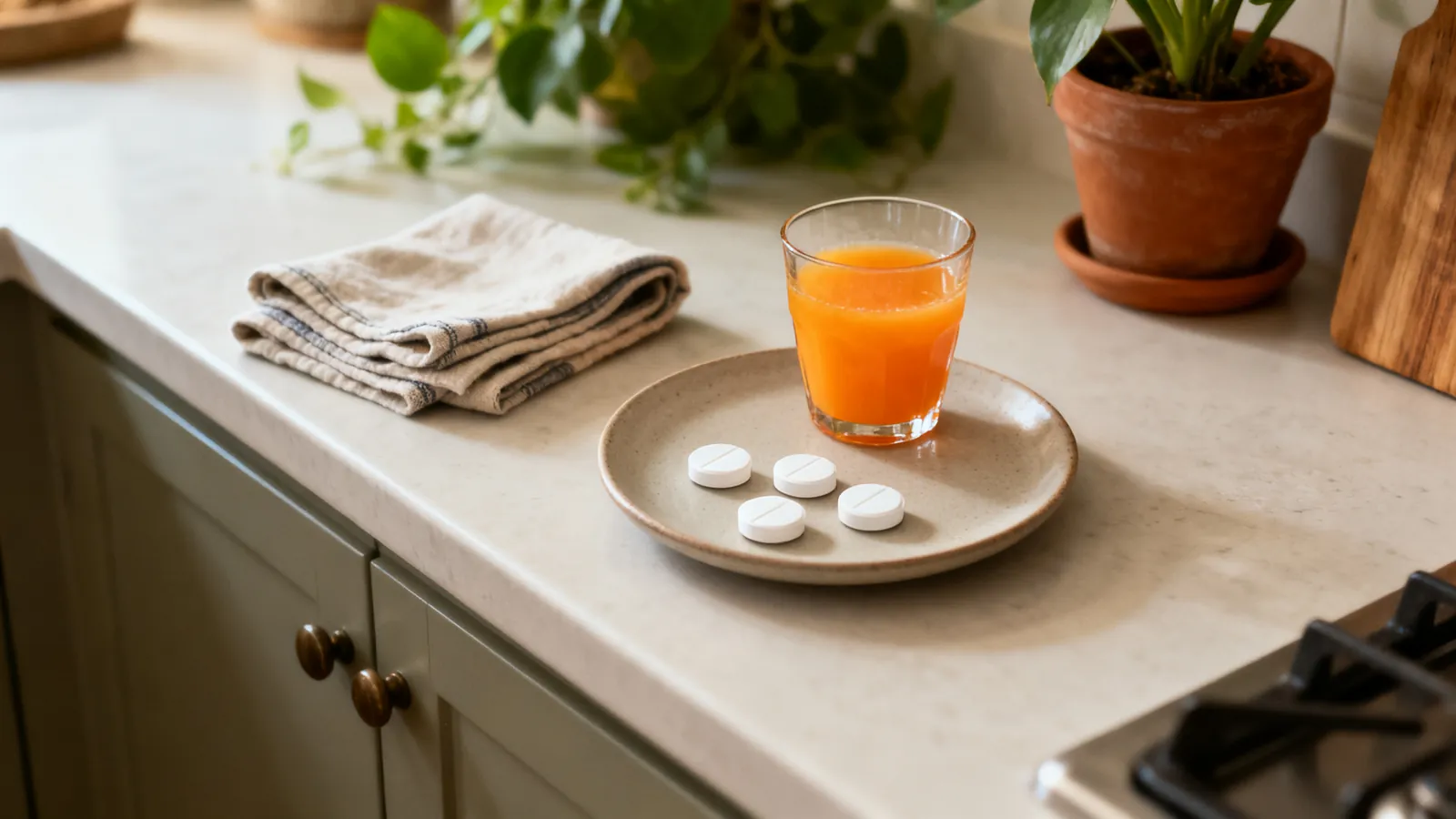
Low blood sugar, or hypoglycemia, means the amount of glucose in the bloodstream has fallen below the range the body needs to run normally. Glucose is the fuel most cells use, and the brain depends on it more than any other organ. When levels drop, the body first releases adrenaline and other hormones to push glucose back up, which is why early symptoms often feel like sudden shakiness, sweating or a racing heart. If levels keep falling, the brain itself runs short, and thinking, speech and coordination can be affected.
The general reference threshold for hypoglycemia is below 70 mg/dL, which is the same as 3.9 mmol/L. That number is used for people with diabetes and is the point at which treatment is usually recommended. Some healthy people briefly dip below it after intense exercise or a long gap between meals and feel nothing at all. A low reading matters most when it comes with symptoms, and symptoms matter most when the reading is low.
This is a reference for understanding the condition and the food side of it. Nothing here replaces instructions from a prescriber, and anyone on insulin or a sulfonylurea should follow their own care plan, which may differ from the general guidance below.
What the research shows about low blood sugar
Hypoglycemia is well studied in people with diabetes and much less studied in everyone else. The strongest evidence concerns insulin and sulfonylureas, two categories of medication that lower glucose directly and can push it too far. Trials and reviews consistently find that these drugs are behind most serious episodes, and that education about recognizing and treating lows reduces how often they happen.
For people without diabetes, the picture is different. Reviews describe hypoglycemia as uncommon in otherwise healthy adults, and when it does occur it usually has an identifiable cause: prolonged fasting, heavy alcohol use without food, strenuous endurance exercise, or an underlying condition such as a hormone deficiency or a problem with the liver or kidneys. Some people report symptoms after meals, called reactive hypoglycemia, but the evidence here is mixed and the definition is debated. A low reading on a home meter in someone without diabetes is often a false low, and the meter instructions should be checked before drawing conclusions.
Supplements marketed for blood sugar are a separate matter. Chromium, berberine, cinnamon extract and alpha-lipoic acid have all been studied, mostly in people with type 2 diabetes and mostly for average glucose over time rather than for treating an acute low. The evidence is limited and mixed, and none of these is a substitute for fast carbohydrate during a low. Berberine in particular can lower glucose and may add to the effect of prescribed medication, which is a reason for caution rather than enthusiasm.
What low blood sugar feels like
Symptoms fall into two groups. The first come from the adrenaline response: trembling, sweating, sudden hunger, tingling around the mouth, a pounding heart, anxiety or irritability. These tend to appear first and are a useful early signal.
The second come from the brain running short of glucose: difficulty concentrating, slurred speech, blurred vision, unusual behavior, confusion, drowsiness and, at the extreme, fainting or seizure. This second group is the one that makes low blood sugar dangerous, because a person in that state may not be able to recognize the problem or swallow safely.
Symptoms vary between people and between episodes. Someone who has had diabetes for many years may stop noticing the early warning signs, a pattern called impaired awareness, which raises the risk of a severe episode. Keeping a meter or a continuous sensor nearby is how many people catch lows before they become confusing.
The 15-15 rule: what to eat when blood sugar is low
The standard approach taught in diabetes education is the 15-15 rule. Take about 15 grams of fast-acting carbohydrate, wait 15 minutes, then recheck. If the reading is still below the threshold, repeat. Once glucose is back in range, eat a small snack containing protein or fat if the next meal is more than an hour away, since fat and protein slow the return of a low.
Fast carbohydrate means glucose that reaches the blood quickly and does not need much digestion. Examples commonly used for a 15 gram portion include:
- Four glucose tablets, the amount most labels specify for one dose
- About 120 mL (4 oz) of fruit juice or regular soda
- One tablespoon of sugar, honey or syrup
- Three to four teaspoons of jam or jelly
- Several hard candies, chewed
Fat slows absorption, so chocolate, ice cream, nuts and most dessert bars are poor choices for treating an acute low even though they contain sugar. Diet soda and sugar-free candy will not raise glucose at all. If the person cannot swallow or is unconscious, nothing should be given by mouth. That situation calls for emergency help and, for some people, a prescribed glucagon product.
Forms of carbohydrate compared
| Option | Speed | Typical 15 g portion | Who it does not suit |
|---|---|---|---|
| Glucose tablets | Fast | 4 tablets | Anyone who cannot chew or swallow safely |
| Fruit juice | Fast | About 120 mL | People on a fluid restriction |
| Regular soda | Fast | About 120 mL | People avoiding caffeine or carbonation |
| Honey or sugar | Fast | 1 tablespoon | Infants under one year (honey) |
| Hard candy | Fast | Several pieces | Small children, choking risk |
| Milk | Medium | About 300 mL | People with lactose intolerance |
| Bread or crackers | Slow | 1 slice or several | Not ideal for an acute low |
| Chocolate or ice cream | Slow | Not a treatment portion | Poor choice during a low |
Who is most at risk, and who should see a doctor
People who take insulin or a sulfonylurea such as glipizide, glyburide or glimepiride are the group most likely to experience low blood sugar, because those medications continue to lower glucose regardless of what is eaten. Risk rises with a missed or delayed meal, unusual exercise, alcohol, kidney problems and older age. Anyone in this group should have a written plan from their care team and should never stop or change a medication on their own.
Low blood sugar without diabetes is a reason to see a doctor rather than to self-treat with supplements. It can point to a hormone or metabolic issue that needs proper evaluation, and the workup is not something a home remedy can replace. Recurrent episodes, episodes during sleep, or any low that requires someone else’s help should all be reported.
Warning signs of an emergency
Confusion, inability to swallow, fainting, seizure or a person who cannot be roused are emergencies. Call emergency services. Do not put food, drink or tablets into the mouth of someone who is unconscious or having a seizure, because of the risk of choking. If a prescribed glucagon product is available and the person cannot take anything by mouth, it may be used according to the instructions that came with it, and emergency help should still be sought.
Common mistakes and what food cannot do
A frequent mistake is eating a large amount of sugar during a low. That can push glucose too high and is followed by a swing back down, which is why the measured 15 gram dose and the recheck matter. Another is choosing a slow food such as a candy bar, which feels like treatment but delays recovery.
A second mistake is treating a number instead of a person. A reading slightly below the threshold in someone who feels well, especially someone without diabetes, may not need treatment at all. Meter accuracy, cold hands and contamination from fruit can all produce a false low.
Food and fast carbohydrate correct a low; they do not prevent the conditions that cause one. No diet, powder or supplement removes the need for a prescribed medication plan, and none should be used to replace one. Supplements sold for blood sugar support have limited and mixed evidence, and some, including berberine, can add to the glucose-lowering effect of medication. Anyone taking medication for diabetes, blood pressure or thyroid function should talk to a doctor or pharmacist before adding any supplement, and should not stop or change a prescribed medication without the prescriber. The same applies during pregnancy and breastfeeding, when both low and high glucose need professional management.
Common questions
What blood sugar level is considered low?
The usual reference threshold is below 70 mg/dL, which equals 3.9 mmol/L. This is the level at which treatment is generally recommended for people with diabetes. A reading slightly below it in someone without diabetes who feels well is often not meaningful on its own.
What should I eat when my blood sugar is low?
About 15 grams of fast-acting carbohydrate, such as four glucose tablets, 120 mL of juice or regular soda, or a tablespoon of sugar or honey. Wait 15 minutes and recheck. If it is still low, repeat, then eat a small snack with protein if your next meal is far off.
Can low blood sugar happen without diabetes?
It can, but it is uncommon in otherwise healthy adults. When it does occur it usually has a cause such as prolonged fasting, heavy alcohol use without food, intense endurance exercise, or an underlying hormone, liver or kidney problem. Recurrent lows without diabetes are a reason to see a doctor.
Why are insulin and sulfonylureas linked to low blood sugar?
Both lower glucose directly and keep working regardless of what is eaten. A missed meal, unexpected exercise or alcohol can then push glucose too low. Anyone taking these medications should have a written plan from their care team and should not change the dose on their own.
When is low blood sugar an emergency?
Confusion, slurred speech, inability to swallow, fainting, seizure or being unable to be roused are emergencies. Call emergency services and give nothing by mouth, because of the choking risk. A prescribed glucagon product may be used if available and the person cannot swallow.
Read next
Foods That Help Keep Blood Sugar Steady
Learn which foods raise blood sugar slowly, how the glycemic index works, and what the research says about cinnamon, vinegar, and low-sugar fruits.

How to Lower Blood Sugar: Food, Movement and Habits
Learn how food, movement, sleep and stress affect blood sugar. Understand reference ranges, what the research supports, and when to seek urgent care.
Natural Approaches to High Blood Pressure
What the research shows about food, herbs and habits for blood pressure, how to read your numbers, and when to seek emergency care.